



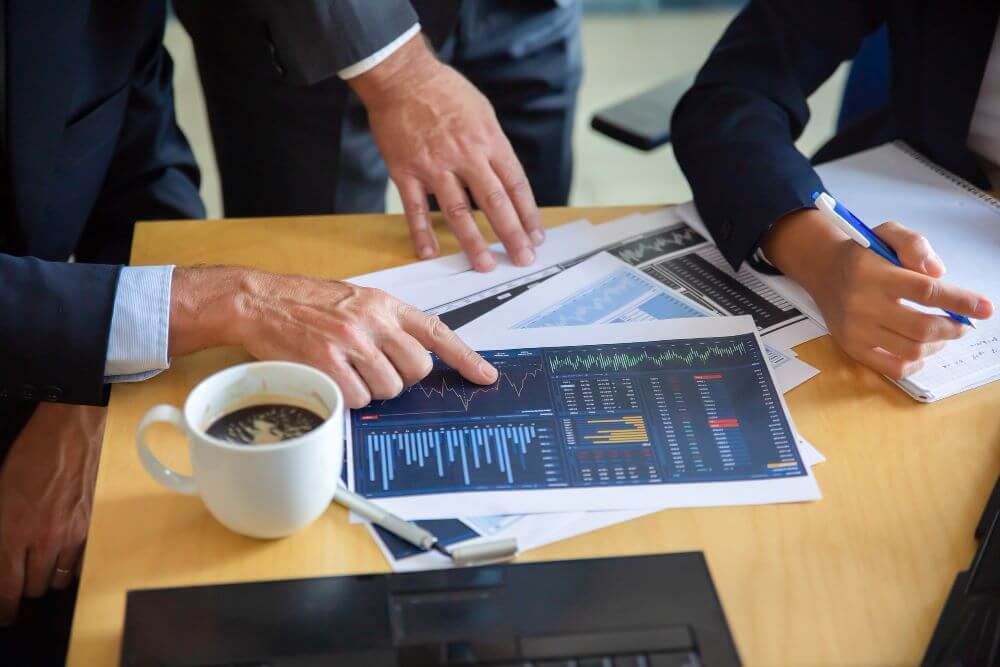
Today’s financial landscape is defined by speed, digital accessibility, and electronic screens. The ease of trading equities, bonds, and digital currencies from a smartphone has completely revolutionised personal finance. When reviewing what you need to know before starting your investment journey, it becomes entirely clear that a vital early step involves setting up digital infrastructure like a demat account to manage electronic portfolios. However, building wealth exclusively within the digital realm can leave investors vulnerable to systemic shocks, platform outages, and unseen cybersecurity vulnerabilities. To counter these modern risks, balancing a highly digitised portfolio with physical, tangible wealth is more important than ever for long-term stability.
The Resurgence of Physical Wealth in a Digital World
While digital assets offer unmatched convenience and rapid execution, physical commodities provide a foundation of historic stability. Tangible assets cannot be erased by a computer glitch, frozen by a server failure, or manipulated by a sophisticated cyber attack. They hold an intrinsic value that transcends international borders and technological shifts.
For Australian investors building a robust portfolio, adding precious metals often requires careful local research. Part of this due diligence involves understanding logistics and secure supply chains, such as knowing exactly where to buy gold in sydney through reputable, long-standing dealers. Establishing these physical local connections ensures that the assets acquired are authentic, investment-grade, and fully supported by secure storage solutions. Unlike numbers on a screen, possessing a physical asset provides a psychological and financial anchor during turbulent economic periods.
Why Institutional and Private Investors Are Returning to Basics
The appeal of tangible assets is not merely nostalgic. It is a highly calculated response to current global economic pressures. Persistent inflation and ongoing geopolitical tensions have prompted a significant shift in capital allocation worldwide over the last few years. The drive for diversification has led many to reconsider the foundations of their financial strategy.
According to recent data published by the World Gold Council, global gold demand hit a staggering record high value of US$193 billion in the first quarter of 2026. This surge was heavily supported by robust central bank purchases and intense private investment. This institutional data demonstrates that when market volatility spikes, both global banks and individual investors seek the proven protective qualities of physical precious metals. They act as a critical hedge against equity market downturns and the eroding purchasing power of fiat currencies.
Strategies for Integrating Physical Assets
Incorporating physical wealth into a contemporary portfolio requires a different approach than simply clicking a confirmation button on a digital brokerage application. Investors must consider several unique factors to maximise the protective benefits of tangible assets without compromising their overall financial flexibility.
- Determine proper asset allocation: Financial experts generally recommend dedicating a conservative percentage of your total portfolio to physical commodities. This strategy provides a necessary safety net without compromising the aggressive growth potential of your equities and digital holdings.
- Prioritise secure storage facilities: Unlike digital shares, physical assets require physical protection. Investors must evaluate options such as private vaulting facilities, secure safe deposit boxes, or specialised dealer storage to protect their wealth from physical theft or environmental damage.
- Understand liquidity timeframes: Selling a physical asset takes slightly more planning than liquidating a digital stock position. It is crucial to work with established dealers who offer straightforward buyback programmes, ensuring you can quickly access liquid capital when personal circumstances change.
- Verify authenticity and market purity: Always ensure that the physical assets you acquire meet strict global investment-grade standards. This guarantees their ongoing value and facilitates ease of resale on the international market without unexpected assaying delays.
Achieving True Portfolio Balance
The modern investor does not need to choose between digital innovation and traditional financial stability. Instead, the most resilient and successful portfolios actively embrace both. By leveraging the immense growth potential of electronic trading accounts alongside the enduring security of tangible assets, individuals can build a comprehensive wealth strategy.
Ultimately, true financial resilience is built upon a foundation of diversification. The speed of digital transactions will continue to define modern markets, but the steady assurance of physical commodities offers an irreplaceable layer of protection. As market dynamics continue to evolve rapidly in 2026 and beyond, holding a dedicated portion of your wealth in a physical form remains one of the most effective ways to secure your long-term financial future.