



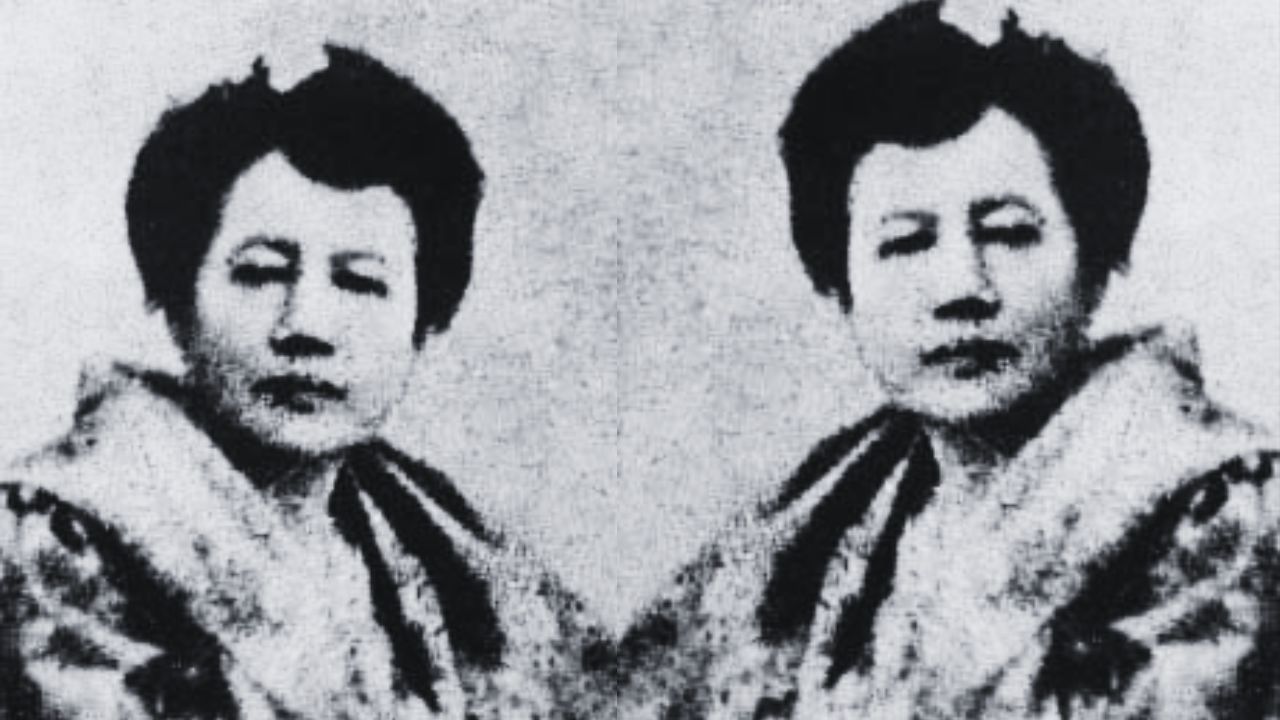
Saturnina Hidalgo, affectionately known as “Neneng,” holds a significant place in the history of the Philippines as the eldest sister of the national hero, Jose Rizal. Born on June 4, 1850, in Calamba, Laguna, and passing away on September 14, 1913, in Tanauan, Batangas, Saturnina’s life encapsulates a period of rich historical transformation. Her role extended beyond familial bonds, influencing the nation’s history through her connection with Rizal and the socio-political currents of her time.
Understanding her life’s journey offers insight into the ecological challenges and societal shifts of the late 19th and early 20th centuries in the Philippines. This can help you appreciate the broader impact of familial networks on national movements and individual contributions to societal change.
Saturnina’s Early Life and Education
It’s important to begin with Saturnina’s formative years to grasp the full scope of her life’s influence. Born into a well-to-do family in Calamba, Laguna, Saturnina’s upbringing was characterized by a blend of traditional Filipino and progressive European-influenced values. She was the eldest of the Rizal siblings, which bestowed upon her responsibilities that shaped her nurturing and leadership traits.
Consider how education factors into one’s formative years. Saturnina attended La Concordia College in Manila, an institution known for its focus on quality education for young women. Education was a cornerstone of the Rizal family, emphasizing the importance of learning as a tool for empowerment and transformation. This means you can see how Saturnina’s educational background fostered her intellectual growth and prepared her to support her brother Jose’s nationalistic ideals.
Marriage and Family Life
In 1881, Saturnina married Manuel Timoteo Hidalgo, a wealthy resident of Tanauan, Batangas. This union was more than a personal alliance; it was a strategic partnership that reinforced familial and social ties within the community. The couple had at least three children, and their marriage epitomized the blend of personal affection with wider community impact.
Marriage in that era often encompassed societal obligations and economic arrangements. For example, Saturnina and Manuel’s marriage played a part during the agrarian troubles in Calamba, as Manuel faced deportation to Bohol due to his familial ties with the Rizals. This can help you see the intersection of personal relations and political maneuvers during the Spanish colonial period.
Relationship with Jose Rizal
Saturnina shared a close bond with Jose Rizal, marked by frequent correspondence and mutual intellectual engagement. This relationship was more than familial; it was a cooperative partnership in pursuit of greater national aspirations. Correspondence between them highlights a fascinating facet of the period: during a cholera outbreak in 1885 in Manila, Hidalgo requested a book by J.J. Rousseau, showcasing her intellectual curiosity even amidst adversity.
One notable artifact of their relationship is Rizal’s oil portrait of Saturnina, a tribute to his sister displayed in the Rizal Shrine at Fort Santiago. This gesture not only underscores their strong bond but also offers insight into Rizal’s multifaceted talents. Engaging with these historical artifacts can demonstrate how personal dedication impacts cultural legacy over time.
Involvement in Rizal’s Advocacy
Saturnina’s influence extended beyond familial support to tangible contributions to Jose Rizal’s advocacy. Her involvement in the publication of the Tagalog translation of Rizal’s *Noli Me Tangere* by Pascual Poblete indicates her commitment to Rizal’s reformist ideals. *Noli Me Tangere* played a critical role in arousing national consciousness against colonial rule. You can see how supporting such projects has a cascading effect on social movements.
Additionally, during the Calamba agrarian troubles, the Rizal family faced significant adversities. Saturnina’s ties were instrumental, illustrating how activism wasn’t just about public speeches but often involved strategic familial alliances. Understanding this can shed light on how socio-political movements are supported by family networks.
Legacy and Family Influence
Saturnina Hidalgo’s legacy is deeply tied to her role as “the hero’s second mother.” This title reflects not only her nurturing role but also her seminal contributions to Rizal’s personal and patriotic endeavors. Her descendants continue to play an active role in Rizal commemorations, preserving her legacy and reinforcing the Rizal family’s lasting influence in Filipino culture.
Appreciating Saturnina’s legacy involves acknowledging the broader family dynamics that sustained and propelled Rizal’s heroic efforts. Her influence serves as a reminder of how familial support can buttress broader societal goals, encouraging you to recognize the potential impact of familial networks in social advocacy.
For more insights into how influential families impact culture and history, consider looking at various historical examples. By understanding the interconnectedness of family and national movements, you can appreciate the ripple effect of personal relationships on larger societal ideals.
Concluding Remarks
In summary, Saturnina Hidalgo’s life was a tapestry interwoven with personal dedication, familial support, and national advocacy, defining her as a cornerstone of Jose Rizal’s life and work. Her contributions extend beyond the personal realm, influencing the trajectory of Philippine history and culture. Even today, her legacy resonates through her descendants and their active participation in Rizal commemorations.
For those interested in learning more about influential historical family networks, consider exploring resources that analyze these unique dynamics. By examining Saturnina’s life and contributions, you can gain a deeper understanding of how individual and collective actions shape history.
For additional research and historical insights, you may browse various historical analysis sites, such as here. This can help you build a foundation for exploring how family dynamics have influenced historical and cultural developments.
Also Read: