



Most people don’t lose money in crypto because of bad trades. They lose it because they trusted the wrong platform.
It sounds harsh, but it’s true. Before you even buy your first coin, the exchange you choose already sets the tone. That’s why learning how to evaluate crypto exchange platforms properly is one of the smartest moves you can make.
In this article, we will show you how to go about this so you can make the most of your investments.
Why Evaluating a Crypto Exchange Matters
A crypto exchange is more than just an app or website. It’s where your funds are stored, traded, and sometimes locked if things go wrong.
Over the years, we’ve seen exchanges shut down overnight, freeze withdrawals, or quietly struggle with liquidity. In most cases, the warning signs were there. People just didn’t look closely enough.
That’s where a solid crypto platform review guide helps. It gives you a simple way to filter out risky platforms and focus on the ones that are built to last.
The Ultimate Crypto Exchange Checklist
If you’re trying to evaluate crypto exchange options without overthinking it, this checklist covers what actually matters.
1. Security Comes First
This is non-negotiable, and you should always start here. If an exchange can’t protect user funds, nothing else matters. You want to see strong exchange security features that show the platform takes this seriously.
So when choosing a crypto exchange platform, look for:
- Cold storage: Most user funds should be kept offline, away from hackers
- Two-factor authentication (2FA): This adds a second layer of login protection
- Proof of reserves: Shows the exchange actually holds user assets
- Protection funds or insurance: A safety net if something goes wrong
Good platforms make these features easy to find. If you have to dig around for them, that’s not a great sign.
2. Regulation and Transparency
You don’t need to be an expert here. Just focus on clarity. Can you find information about the company? Are they open about licenses or registrations? Do they publish updates or reports?
Transparent exchanges tend to build long-term trust. The ones that stay vague usually leave users guessing, and that’s not where you want your money.
3. Fees
Fees can look simple at first glance. Then you realize there’s more to it. Most exchanges advertise low trading fees. But you also need to check:
- Deposit fees
- Withdrawal fees
- Spreads on trades
- Hidden charges in conversions
A platform might look cheap upfront but cost more over time. So, take a minute to understand the full structure before you commit.
4. Liquidity and Trading Volume
Liquidity sounds technical, but it’s easy to understand. It tells you how quickly you can buy or sell without affecting the price too much. High liquidity usually means faster trade execution, stable pricing, and less slippage.
Low liquidity can lead to frustrating trades where you don’t get the price you expected. That becomes more noticeable as your trade size grows.
5. Available Assets and Markets
Every trader has a different strategy. Some stick to Bitcoin and Ethereum. Others look for newer or less-known coins. When you evaluate crypto exchange platforms, check how many coins are listed and whether they offer spot and derivatives trading. You also need to consider if they give access to newer or trending assets. When you have more options, it gives you room to explore and adapt as you learn.
6. Ease of Use – Especially for Beginners
Unfortunately, this part often gets overlooked. A complicated interface can slow you down or lead to mistakes. You want something that feels easy to navigate from day one.
So, when look for a crypto exchange you can trust, look for:
- A clean, simple dashboard
- Easy order placement
- Mobile access
- A demo account to practice
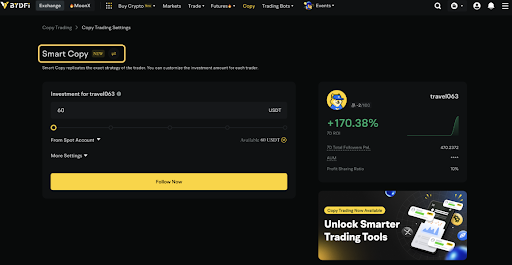
Some platforms also offer copy trading, where you can follow experienced traders. That can make the learning curve much easier.
7. Deposits and Withdrawals
This is where many people get caught off guard. For some platforms, depositing money is usually quick, but when it comes to withdrawing, that’s where you begin to see their true colors.
Before you commit to any platform, check their available payment methods (cards, bank transfer, crypto), processing times, and withdrawal limits and fees. A simple way to figure this out is to test with a small amount first. It tells you a lot about how the platform works.
8. Customer Support
Support doesn’t seem important until you need it. If something goes wrong, you want quick answers. Not automated replies that go nowhere.
So, look for 24/7 availability, live chat options, and clear help center resources. Reliable support can save you a lot of stress when issues come up.
How BYDFi Ticks the Right Boxes
Reading a checklist is one thing. Applying it is where it counts.
Let’s say you’re comparing two exchanges. One has slightly lower fees. The other has stronger security, better tools, and a cleaner interface. Most experienced traders will go with the second option.
Why? Because small fee differences don’t matter if the platform isn’t reliable. When you evaluate crypto exchange platforms, think long term:
- Will this platform still work well as your trading grows?
- Does it give you tools to improve over time?
- Can you trust it with larger amounts later on?
A good platform should feel stable, not rushed or incomplete. This is why we often recommend platforms like BYDFi. Founded in 2020, it is now marking its sixth anniversary in 2026 and continues to tick many of the right boxes.

In case you’re new to the platform, here are some of its unique features that makes it a perfect choice for anyone thinking of how to choose crypto platform they can trust.
Security and Trust
BYDFi puts a lot of weight on security. It comes with features like:
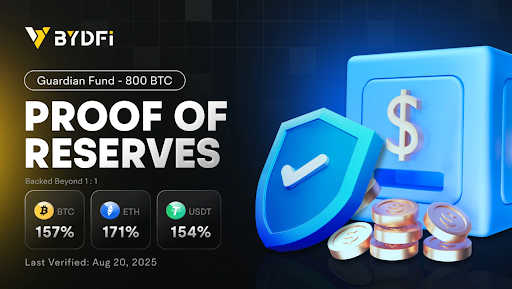
- Proof of Reserves (1:1 backing)
- An 800 BTC protection fund
- Cold storage for most user assets
- Multi-party approvals and strict withdrawal controls
- Mandatory 2FA
These are the kind of exchange security features that reduce risk before it becomes a problem.
Range of Assets and Trading Options
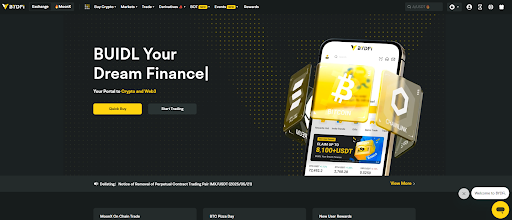
Flexibility is another strong point. BYDFi offers 1000+ spot cryptocurrencies, 500+ perpetual contract pairs, and up to 200x leverage. It also stands out with its CEX + DEX setup through MoonX, which gives users access to on-chain opportunities alongside regular trading. That’s not something you see on every platform.
Beginner-Friendly Tools
Not everyone starts as a pro trader. BYDFi makes things easier with demo trading, so you can practice without risk. The platform offers copy trading from as little as $10 and also allows you to use different automated trading strategies. With these tools, it becomes easier for new users to learn without feeling overwhelmed.
Fees and Accessibility
The platform keeps fees competitive and transparent, which matters more than just being “cheap.” It also supports multiple deposit options, including cards, bank transfers, cryptocurrency, and many more. That way, you don’t have to struggle to find your favorite banking option – it’s there for you.
Final Thoughts
Choosing an exchange is a very important aspect of your trading journey, and it’s not something you can rush. You’re not out looking for the “most popular” platform. Rather, you want a platform that works for you and checks the right boxes.
If you take the time to evaluate crypto exchange platforms with a clear checklist guiding you, you can easily avoid most of the common mistakes people make early on. Go through the points we already highlight in the post. They will surely guide you to the best exchange platform for you.
FAQs
What is the safest crypto exchange feature?
Cold storage is one of the most important. It keeps most funds offline. Proof of reserves and protection funds also add an extra layer of trust.
How can beginners choose a crypto platform?
Your main focus should be on ease of use. Look for a platform with a clean interface, demo trading, and copy trading features. All these can make a big difference when starting out.
Should I trust new crypto exchanges?
Not immediately. New platforms can be good, but they need time to prove reliability. Always test with small deposits first.
What is the biggest red flag in an exchange?
That will be a lack of transparency. If you can’t find clear information about security, fees, or the company behind the platform, you might want to stay away from such a platform.