



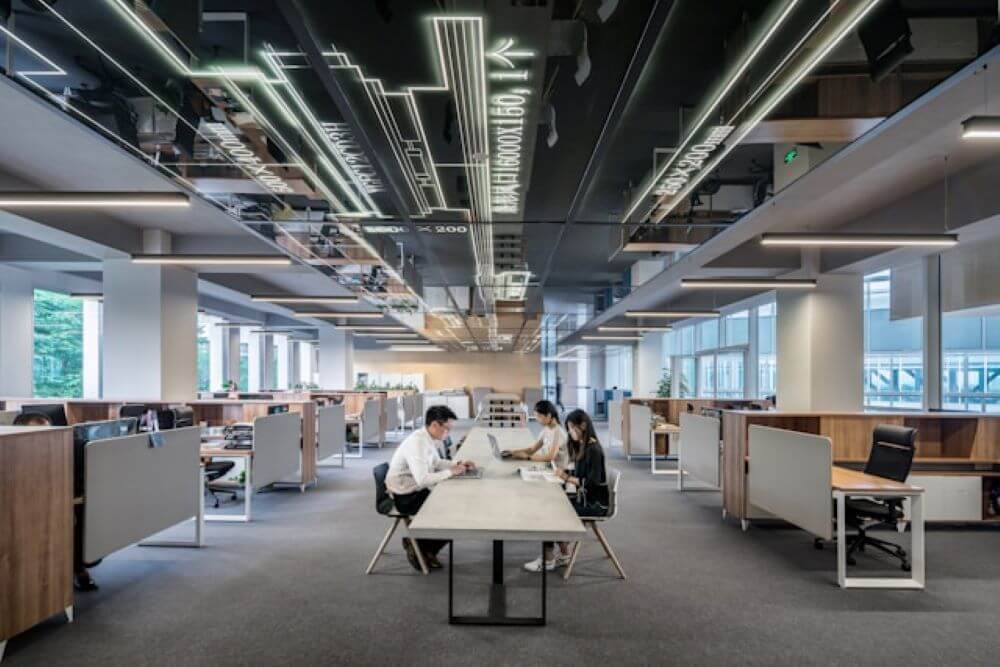
Figured all you need for more productivity is a comfortable chair and a nice desk?
Think again.
Ergonomics is important. But it’s only one tiny facet of a very large picture. And most companies don’t even realize what the rest of the picture is.
Fact: Workplace productivity is a combination of environment, attention, empowerment and culture. Ergonomics without attention to the others is like purchasing a Ferrari without a engine.
Here’s the good news:
Addressing the key drivers of productivity is cheap. Many involve good design decisions and management. When implemented properly the payoff is huge.
Let’s dig in…
Here’s what you’ll uncover:
- Why ergonomics is just the starting line
- The hidden productivity killer inside most modern offices
- The 4x factors that actually drive high performance
- How to build an environment where deep work happens
Why Ergonomics Alone Doesn’t Cut It
Ergonomics is important. Nobody’s arguing against that.
An ergonomic chair, properly placed monitor, and keyboard that doesn’t injure your wrists are important. They prevent injury. They allow users to be comfortable. Comfortable users can focus for longer periods of time.
But here’s the thing…
Comfort doesn’t equal focus.
Sit a worker in the highest-dollar chair you can find they will accomplish nothing if the person next to them is railing on a cellphone. Ergonomic adjustments account for the body. They don’t account for the brain.
Studies conducted by the American Society of Interior Designers found that employees satisfied with their work atmosphere experienced a 31% increase in productivity. It doesn’t just come down to chairs. It’s about environment.
The Real Productivity Drivers
Here are the factors that actually move the needle by 4x. Nail these and productivity will solve itself.
Focus & Sound Control
This is the big one.
The modern open office concept was marketed as collaborative spaces. They actually created concentration chaos. People talking, phones ringing, white noise kills focus.
It doesn’t take a lot of study to see just how damaging noise truly can be at work. Noise distraction can reduce productivity by 66%. Sixty-six percent. Over two thirds of someone going full steam just chiseled away by noise.
To remedy this problem you want to reintroduce some visual/acoustic separation. Office screens for open-plan offices are one of the easiest money-can’t-buy fixes available today. Simple desk privacy screens around workstations reduce distraction without completely reverting back to old school cubicle setups. Privacy screens help muffle sound. They reduce visual traffic. Most importantly they allow employees to feel like they have “their space” once again.
The most effective screens for an open-plan office are those made from fabric-covered acoustic panels. These help to absorb sound, rather than reflect it. Remember that. Stylish-looking clear glass or plastic screens may look trendy, but they aren’t acoustic.
Other easy wins:
- Set up quiet zones for deep focus work
- Add sound-absorbing panels to ceilings and walls
- Make phone calls happen in booths, not at desks
- Encourage headphone use during focus blocks
Small changes. Big impact.
Air Quality & Environment
Ever noticed how a stuffy meeting room makes everyone sleepy after 20 minutes?
It’s not just you imagining things. Bad air quality actually impairs cognitive ability. The Green Building Council found that good air quality and ventilation can increase productivity by up to 11%. Being too cold or too hot can decrease productivity by another 4-6%.
Fifteen percent of production lost due to poor air quality and incorrect temperatures.
Here’s what to focus on:
- Ventilation: open windows or invest in proper HVAC
- Temperature: aim for 21-22°C, most people work best in that range
- Lighting: natural light where possible, plus proper task lighting
- Plants: they clean the air and reduce stress
None of this costs much. Yet most offices neglect it entirely. Get your environment right first. Before spending cash on trendy standing desks and gimmick tech.
Autonomy & Control
Here’s something most managers get wrong…
Humans perform optimally when allowed autonomy in their work. Micromanagement destroys productivity. Strict schedules destroy productivity. Making everyone do things the same way destroys productivity.
Give people the ability to:
- Choose when they do their deep focus work
- Pick where in the office they work each day
- Manage their own schedule around meetings
- Take breaks when they actually need them
That doesn’t mean chaos. It means trust.
Consider this. When has anyone ever performed their best under pressure? Likely never. Now think about that on a larger scale.
Employees who believe that you trust them will work harder, create higher quality work, and stay with your company longer. Employees who feel monitored will do the minimum required and seek other employment. Trust vs. monitor. Sounds simple enough.
Culture & Meaningful Work
The final piece is culture.
Engaged employees who care about what they do will ALWAYS out-produce a disengaged employee. 7 days a week. Unfortunately most companies treat culture like it’s an afterthought or something on a poster on the wall.
According to Gallup’s recent State of the Global Workplace report, just 20% of the world’s workers are engaged at work. That’s a massive productivity hemorrhage no ergonomic chair or standing desk will ever solve.
Building real engagement comes down to:
- Clear goals that people actually care about
- Recognition when work is done well
- Managers who coach instead of control
- A sense that the work matters
Culture is not a mission statement. It’s how employees are treated everyday.
If you get the culture right everything else falls into place. Get it wrong and no amount of sofas, sandwiches or chillout rooms will fix it.
Bringing It All Together
Ergonomics gets all the attention. But it’s the smallest lever you can pull.
Increased productivity occurs from those things many companies overlook; acoustic control, air quality, privacy and culture. When you address these areas employees will perform at a higher level organically.
Quick recap:
- Sound control stops focus getting shredded by noise
- Air quality and environment keeps brains sharp all day
- Autonomy gives people the trust they need to perform
- Culture turns effort into real engagement
Begin with lowest-cost victories. Provide visual and acoustic barriers around workstations. Crack open a few windows. Allow individuals greater flexibility with their schedules. Tackle larger cultural issues gradually.
Nail the fundamentals and productivity looks after itself.