



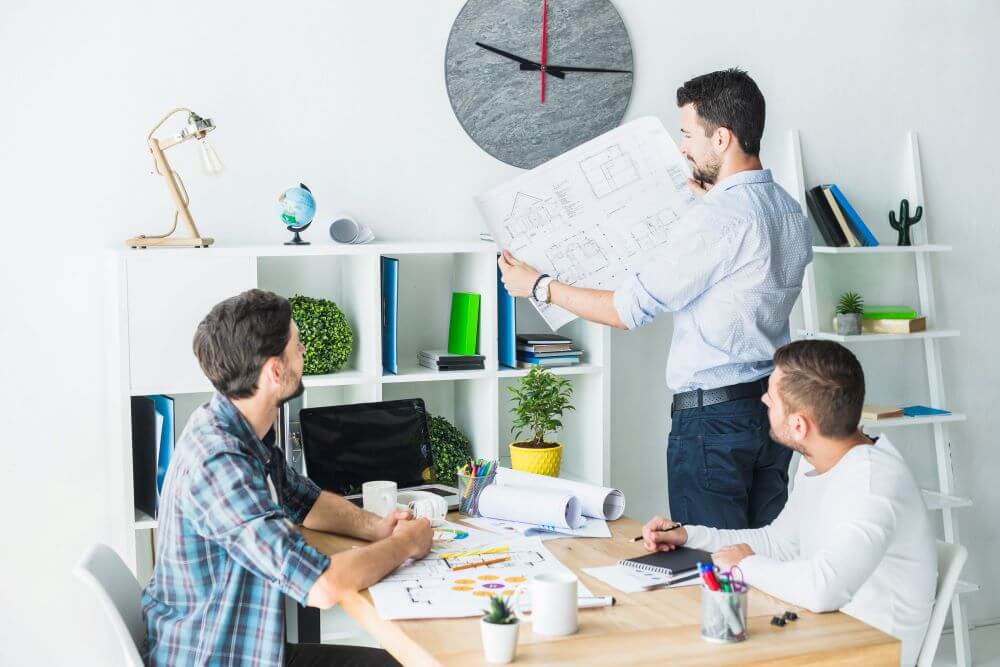
In the pursuit of business growth, executives naturally focus on optimising software, refining operational processes, and scaling their workforce. However, one of the most significant factors influencing team output is frequently overlooked in the boardroom. The physical environment where employees spend their days plays a profound role in how they collaborate, focus, and ultimately feel about their employer. Treating the office layout as a strategic asset rather than a basic operational requirement is an essential shift for modern leadership.
The Physical Foundation of Team Performance
A poorly planned office can create hidden friction in daily operations. Cramped desks, poor acoustics, and disjointed floor plans actively drain energy and increase workplace frustration. Over time, these minor irritations compound, leading to decreased motivation and higher turnover rates. To prevent these issues, forward-thinking managers are moving away from reactive furniture purchases. Instead, they are looking at how spatial design actively influences human behaviour and daily workflows.
Getting this balance right requires a deep understanding of spatial dynamics and employee needs. When planning a relocation or an internal upgrade, partnering with experienced office fitouts specialists can transform a standard commercial floor into a highly functional hub. These professionals ensure that every square metre is intentionally mapped out to support different working styles, from deep-focus zones to high-energy brainstorming areas. This intentional design removes the physical barriers that slow down team momentum.
Elevating Morale with Biophilic Design
Beyond the structural layout, the sensory experience of a workspace heavily dictates staff retention rates. Employees who feel physically comfortable and mentally stimulated are far less likely to seek opportunities elsewhere. One of the most effective ways to achieve this is through biophilic design, which incorporates elements of the natural world into indoor corporate environments to reduce stress and boost cognitive function.
The business case for these additions is stronger than many leaders realise. According to comprehensive research published in Harvard Business Review, introducing a little nature in the office boosts morale and productivity, while simultaneously fostering higher levels of creativity among staff. Simply maximising access to natural light or installing strategic greenery can yield a measurable return on investment through reduced absenteeism and higher daily output.
Creating Spaces for Development and Growth
A strategic workspace also acts as the physical vessel for company culture and professional development. As an organisation scales, its onboarding processes and skill-building initiatives must become more structured. Yet, these initiatives require the right physical environment to succeed, as learning cannot happen effectively in a chaotic or crowded open-plan layout.
For instance, even the most carefully constructed framework for a scalable corporate training program will falter if the office lacks dedicated learning spaces. Staff need access to quiet, acoustically sound rooms for e-learning modules, as well as flexible workshop areas for group seminars. By designing spaces specifically for continuous education, companies signal to their employees that their long-term career growth is a priority.
Key Elements to Prioritise in Your Next Office Upgrade
If you are evaluating your current commercial space, consider implementing these foundational design principles to support your growing team:
- Acoustic control: Install sound-absorbing panels and provide designated quiet zones to help staff manage noise fatigue during focused tasks.
- Ergonomic investments: Go beyond standard desks by offering height-adjustable workstations and high-quality seating to protect physical health and posture.
- Flexible collaborative hubs: Create adaptable meeting spaces with modular furniture that can be easily reconfigured for different project needs or team sizes.
- Lighting optimisation: Prioritise natural sunlight wherever possible and swap harsh fluorescent bulbs for softer, layered lighting solutions.
Ultimately, an office is much more than a place to simply house staff. It is a tangible reflection of a company’s values and a powerful tool for driving operational momentum. When business leaders recognise that their physical surroundings directly influence their team’s daily output, they can make informed decisions that promote long-term success. By investing strategically in your physical workspace, you create an environment where top talent wants to stay, learn, and perform at their absolute best. When physical spaces align seamlessly with your broader management goals, the entire business benefits from a more engaged, focused, and highly resilient workforce.