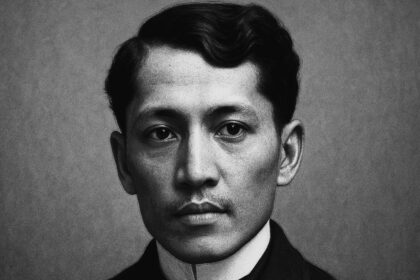




It’s important to recognize Pablo Cuneta’s prominent role in Filipino politics, particularly his significance as an enduring figure in the governance of Pasay City. Serving as the mayor from the 1970s to the mid-1980s, he became the longest-serving mayor in Philippine history, known for his practical leadership style and commitment to public service. This experience marked an era where you could witness tangible developments in Pasay City, showcasing his straightforward approaches that ensured progress during challenging times. Understanding his political journey offers valuable insights into effective governance and community-focused leadership.
Birth and Family Background
Pablo Cuneta was born on February 2, 1910, in what is now known as Pasay City, situated in the bustling Metro Manila region. This means he was rooted right in the heart of where he later played an influential role. His parents, Lazaro Cuneta and Cesaria Pablo (also documented as Miguela Pablo in some records), laid the foundation for his strong family connections, a core aspect of his life. You can consider his family dynamics as a key influence, with siblings Arturo, Felisa, Licerio Pablo, and Segundo Pablo Cuneta playing significant roles in shaping his character and values. These deep family ties likely fostered a sense of communal responsibility that he carried into his political career.
Marriages and Offspring
Pablo Cuneta’s personal life was as notable as his political one. His marriage to Generosa Marquez Francisco resulted in a large family of 12 children, including Rosauro Francisco Cuneta, exemplifying his belief in the importance of family. This can show you how he valued familial relationships and responsibilities, extending his leadership qualities from public office to his personal life.
Later, Pablo married Elinor “Elaine” Albent Gamboa, reflecting a new chapter that introduced Sharon Gamboa Cuneta-Pangilinan, who has become a significant cultural icon in her own right. Sharon’s success in acting and music underscores the lasting legacy of the Cuneta family in Filipino culture. If you’re looking to understand how family impacts legacies, Pablo Cuneta’s marriages and children provide real-life examples of how personal commitments can contribute to a broader public narrative.
Political Journey
Pablo Cuneta’s political career is a lesson in persistence and impact. If you’re aiming to understand leadership in challenging environments, his tenure as mayor of Pasay City should be on your radar. From the 1970s to the mid-1980s, he served during a time marked by significant social and political shifts. His approach was straightforward, often focusing on practical solutions to urban challenges.
Key achievements during his administration included enhancements in public infrastructure and basic services, addressing immediate community needs with tangible results. For example, the establishment of community-centric programs was intended to boost the local economy and improve the quality of life for many residents. This means you can draw from his pragmatic approaches as actionable insights for managing urban governance challenges effectively.
Final Years and Passing
Pablo Cuneta passed away on September 27, 2000, in Makati, leaving behind a significant mark on both his local community and the broader political landscape. He was 90 years old, reflecting a life dedicated to service and leadership. His burial in Makati signifies the closing of one of the defining chapters in Pasay City’s history. Understanding the end of such a comprehensive career is important, as it provides a full-circle view of his influence and reinforces the enduring nature of diligent public service.
Conclusion
Pablo Cuneta’s legacy is multifaceted, encompassing his achievements in Pasay City and his family’s lasting cultural impact. As a model of leadership, he exemplified how clear vision, practical solutions, and a focus on community needs can foster sustainable progress. His political and personal legacy persists through his children and their contributions to society, especially through figures like Sharon Cuneta. If you’re exploring the keys to sustainable impact in politics or business, consider the approaches Pablo Cuneta applied. For example, his commitment to family, community, and governance can serve as guiding principles. By examining his life, you can uncover practical strategies relevant for improving organizational or community outcomes, embodying the essence of thoughtful leadership. To delve further into leadership insights and practical governance strategies, visit the website here.
Also Read: