



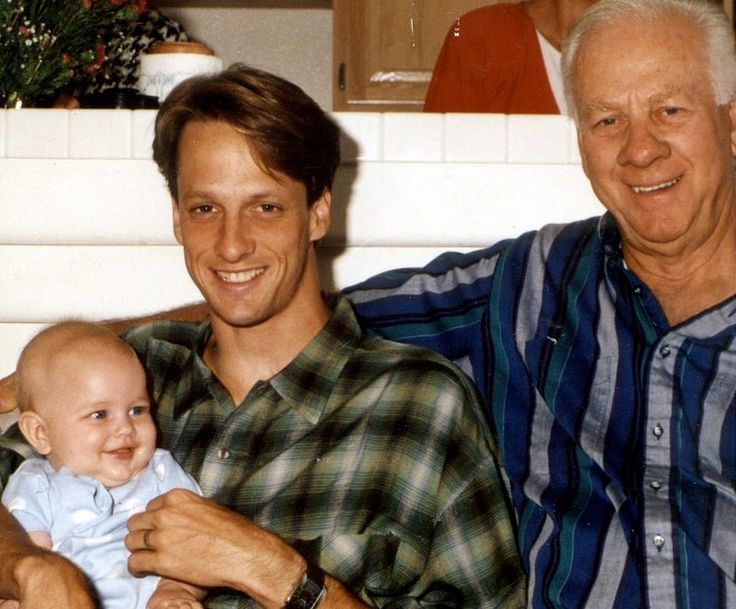
Understanding the impact of Frank Peter Rupert Hawk is critical, especially if you’re interested in how supportive parenting can shape future legends. Frank was more than just Tony Hawk’s father; he was a catalyst who laid foundational blocks for the skateboarding icon’s success. Frank balanced a diverse career path, excelling both as a U.S. Navy officer and a small appliance salesman. His commitment to his family played a significant role not only in his own life but also in shaping Tony’s journey. It’s important to appreciate the blend of characteristics Frank embodied—leadership, encouragement, and initiative. These traits influenced not just his family but left a lasting legacy in the skateboarding world. Here, we will explore Frank Hawk’s contributions, both at home and in the skate park, which provides key lessons for anyone invested in nurturing talent and supporting ambitious youth.
Family Background and Personal Life
Frank Peter Rupert Hawk hailed from a military background, which undoubtedly brought structure and discipline to his life. His career in the Navy followed a commitment to service and leadership, attributes he carried over into his civilian role as a small appliance salesman. Frank married Nancy Elizabeth Hawk, a part-time business teacher, and together they formed a family that prioritized connection and support. The pair had three children, including Tony, born on May 12, 1968, in Carlsbad, California, with the family eventually settling in San Diego. You can imagine the challenges of juggling a military career and family life, yet Frank managed to maintain balance. These early experiences fostered a unique environment at home—one where ambition was nurtured. When it came to family life, Frank’s supportive and steady approach provided the backdrop for the remarkable achievements of his youngest child, Tony.
Support for Tony Hawk’s Skateboarding Career
Frank’s support was a cornerstone in Tony’s early skateboarding endeavors. His understanding of how important a healthy outlet can be for young energy was pivotal. When Tony faced challenges, like getting discouraged after a baseball setback, Frank stepped in, coaxing him to try again. His actions taught resilience and determination. Most notably, he backed Tony’s decision to go professional at the tender age of 14—a decision many would find risky. Yet, Frank keenly saw the potential and growth opportunity this presented. It’s important for parents and mentors to recognize such turning points and offer encouragement. By doing so, Frank not only affirmed Tony’s aspirations but also provided a springboard for his early career milestones. Consider these actions as blueprints for supporting young talent: encourage exploration, back pivotal decisions, and always look at the bigger picture.
Ramp Building and Skate Park Contributions
Frank Hawk carved out a niche for himself as a reputed ramp builder just when skateboarding was picking up momentum. His expertise caught attention far beyond his local community. In 1988, Columbus, Ohio, officials commissioned him to design the Dodge Park skate park. This 16-acre marvel, which opened in 1990, showcased his understanding of how to craft structures that challenged and inspired. The park included vertical skating features like three drop-in bowls—each a testament to his forward-thinking approach at a time when street skating was becoming more popular. Designing such a park wasn’t just a technical endeavor; it was a visionary move that enhanced the skateboarding culture. Building spaces for creativity and competition helps foster community and skills. This approach is something you can incorporate when creating environments—be they in business, education, or recreation—that focus on developing talent and fostering innovation.
Legacy and Influence on Tony Hawk
Frank Peter Rupert Hawk passed away in 1995, yet his influence is felt decades later. His legacy is visible in the continued accomplishments of his son Tony and the numerous lives touched by the skate parks he helped inspire. When Tony visited Dodge Park again around its 32-year mark, he honored his dad with a skate photo captioned “This one’s for your dad.” This gesture reflects the enduring respect and undying influence Frank had on Tony. Imagine visiting a place that holds memories and finding new opportunities to honor past inspirations. It’s a powerful reminder of how substantial support and guidance can leave an indelible mark. This can help leaders and parents understand the ripple effect their encouragement and foresight can have, shaping futures long after they are gone. Supporting a vision while cultivating skill and interest can make a legacy all its own.
Conclusion
Frank Peter Rupert Hawk’s narrative is about commitment, vision, and nurturing potential. By being a supportive parent and a thoughtful community contributor, his influence reached far and wide. His unwavering encouragement allowed Tony Hawk to rise to unprecedented heights, while his expertise in ramp building enriched skateboarding culture. It’s important to recognize that his actions were rooted in practicality and optimism, always focusing on positive outcomes. If you aim to leave a legacy, consider how you can support talent and foster environments where creativity and ambition can thrive. This means investing time and resources into areas that promise growth and imagining the potential ripple effects of today’s decisions.
To discover how you can implement supportive practices in your ventures, you can consult available resources, including insights at business resource hubs, to craft strategies for fostering future talent. Don’t forget to take inspiration from those who dreamed not just for themselves but encouraged others to reach their fullest potential.
Also Read: