



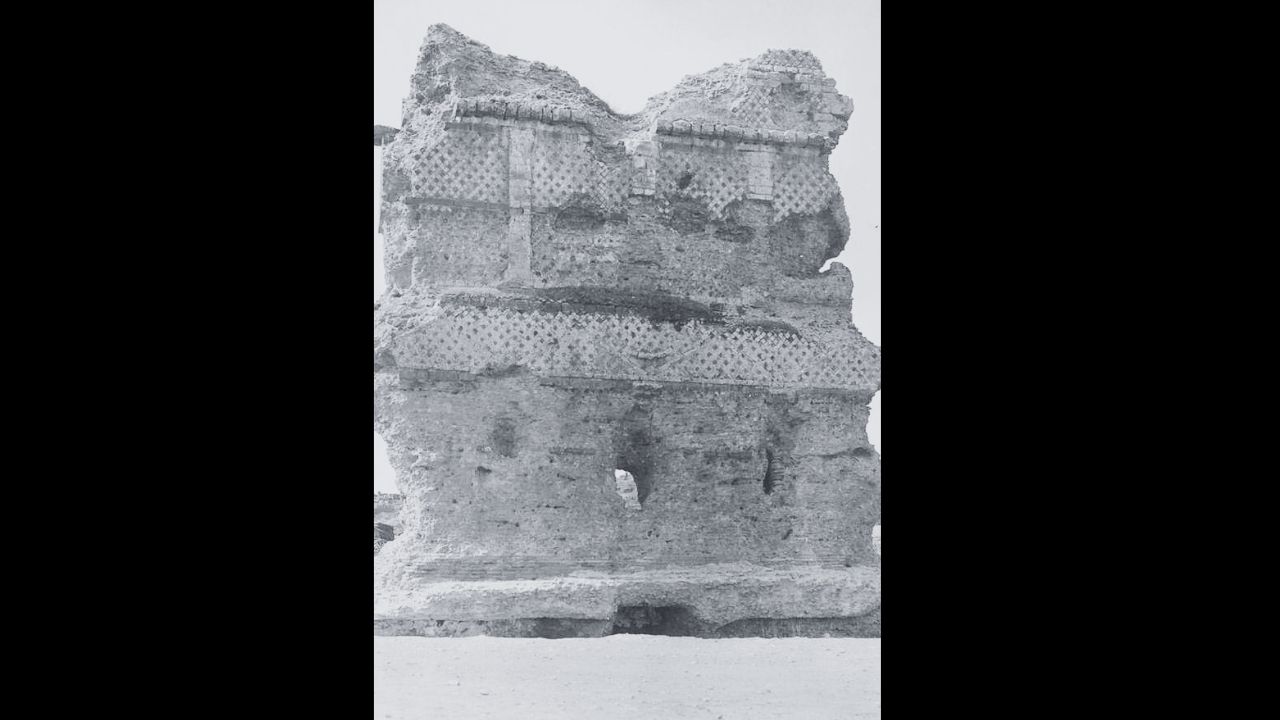
Gaius Julius Sampsigeramus, also known as Seilas, is a name often interwoven with the history of Emesa and Roman Syria. He plays a vital role in showcasing the mesh between local dynasties and Roman citizenship. It’s important for you to consider how such historical figures influence today’s understanding of governance and cultural integration. By tracing his lineage and examining his legacy, you can uncover significant insights into the transitions from local rule to Roman imperial control.
Historical Context
To appreciate Gaius Julius Sampsigeramus’s impact, you should first understand the context of the Fabia Tribe’s connection to Roman citizenship. The Fabia Tribe was an esteemed Roman tribe, membership of which often reflected citizenship and status. This means that Sampsigeramus’s membership signifies his standing within Roman society. Emesa, during his lifetime, was a vital cultural and political center in Roman Syria, a testament to the strategic importance of the region after its annexation around 72-73 AD.
The annexation of Emesa meant that local rulers like Sampsigeramus had to navigate between their heritage and new Roman political structures. This context is crucial to understanding how figures like him could act as bridges between cultures, drawing people into the Roman fold while preserving local traditions.
Family Lineage
Looking at Sampsigeramus’s genealogy provides helpful insights into the Sampsigeramid dynasty. His father, Gaius Julius Alexion, held the title of priest-king of Emesa, carrying Roman citizenship and linking them to both local traditions and the Roman state. Understanding this setup can help you appreciate the complex identity of Sampsigeramus—a perfect blend of local and Roman identities. Notable family members include Sohaemus of Emesa and Drusilla, a Mauretanian princess possibly connected to the infamous Cleopatra VII. Such ties shed light on the intricate family networks and alliances across regions.
Christian Settipani, a respected genealogist, identifies Sampsigeramus as the father of Gaius Julius Longinus Sohaemus, adding another layer of depth to the Sampsigeramid dynasty’s connections. Settipani’s work can help you map these familial ties, unraveling a web of ancestry that influences historical and cultural narratives.
The Mausoleum at Tell Abu Sabun
Sampsigeramus’s decision to construct a mausoleum at Tell Abu Sabun underscores both his prestigious status and foresight. The mausoleum, accompanied by a Greek inscription, serves as a permanent narrative of his achievements and status. This inscription, dating to 78/79 AD, offers critical details: “Gaius Julius, Fabia, Sampsigeramus also called Seilas, son of Gaius Julius Alexion, while still living made this for himself and his family.”
This inscription is invaluable for understanding the way he envisaged his legacy. It underscores the importance of recording history in your ventures. This evidence can help you draw lessons on ensuring historical accountability and remembrance in business and life decisions.
Debate on Kinship and Citizenship
In examining Sampsigeramus’s life, insights from scholars such as Maurice Sartre and Andreas Kropp become vital. You can trust Sartre’s assessment of Sampsigeramus’s potential royal connections, supporting the notion of kinship and ties to the throne. Conversely, Kropp’s focus on citizenship provides a viewpoint centered around administrative and societal integration. For you, balancing these views can help you appreciate the duality of leadership that values both heritage and pragmatic engagement with governing systems.
Your takeaways might include the realization that influential figures navigate complex identities, a lesson applicable to today’s leadership scenarios that often require similar adaptability.
Speculative Accounts
While scholarly insights provide authoritative information, user-generated resources like FamilySearch and MyHeritage sometimes offer conflicting accounts. Such platforms might suggest he married Claudia Capitolina Balbilla or claim priest-king status with differing birth years. Yet, these details contradict established primary sources like those inscriptions. When you navigate historical or business narratives, it’s important to sift through varied sources critically, distinguishing between evidence-backed data and speculation.
Evaluate these user-generated forums with discretion, understanding the difference between conjecture and verified historical records. This is an integral step in ensuring the reliability of the information you use for making decisions or analyses.
Conclusion
In piecing together Gaius Julius Sampsigeramus’s life, you can find a historical narrative rich with lessons of identity, heritage, and the interplay of citizenship and kinship. His historical significance lies in his ability to embody diverse identities, serving as a bridge between the past and modern-day reflections on governance and leadership strategies. Remain mindful of the differing interpretations surrounding his life, understanding that the multifaceted nature of historical evidence requires a balanced approach.
As you reflect on Sampsigeramus’s story, take these insights as a guide for navigating complex narratives, whether historical or within your professional journey. You can rely on authoritative sources while staying open to diverse interpretations. For more insights into historical narratives and their modern implications, consider exploring further here.
Also Read: