



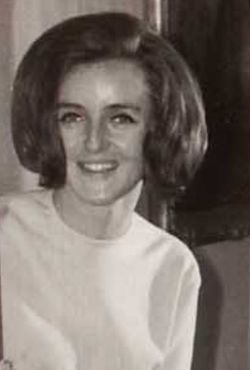
It is important to look at Eva Barbara Fegelein, a figure whose life was intensely marked by her family ties and the turbulent times she was born into. Born within a notorious family at the end of World War II, Eva Barbara’s brief life was shadowed by the dark legacy of the Nazi regime and the complexities of her parents’ actions. By understanding her narrative, you can gain deeper insights into how history remembers individuals connected to pivotal but tragic periods.
Birth and Family Background
Eva Barbara’s story starts on May 5, 1945, at Obersalzberg, amid the collapse of the Nazi regime. You might wonder about the significance of her birth date, occurring in the last throes of World War II. Her mother, Gretl Braun, was the sister of Eva Braun—Adolf Hitler’s companion—adding another layer of intrigue to Eva Barbara’s lineage. Her father, Hermann Fegelein, a high-ranking Waffen-SS officer, was executed on April 28, 1945, for deserting his post during the Soviet advance on Berlin. This stark reality highlights the severe stakes involved. You can see that Eva Barbara was born into a world of intense uncertainty and chaos, and her life began under the weight of her father’s recent execution and her aunt Eva Braun’s infamous suicide. This atmosphere certainly influenced her formative environment.
Parental History
Understanding the background of Eva Barbara’s parents helps explain the challenges she would ultimately face. Hermann Fegelein was executed for desertion, a severe betrayal in Nazi Germany’s military. It’s important to note that his marriage to Gretl Braun initially spared him, demonstrating the complex ties between personal relationships and political loyalties at that time. After the war, Gretl Braun adopted a low profile. She remarried in 1954 and changed her name to escape the stigma of her previous connections. This means Gretl chose survival through adaptation, a tactic that shaped Eva Barbara’s upbringing by necessity rather than choice. For example, focusing on mundane life aspects would likely have been central in their post-war existence.
Early Life and Challenges
While there are only limited public details about Eva Barbara’s early life, you can infer significant challenges that arose from her family history. Growing up with the stigma of her father’s actions and the infamous connection to Eva Braun would influence her social interactions. Appearances in documentaries like *Uncle Hitler* suggest she was a figure of intrigue and speculation. This situation often places individuals in positions where they must navigate their identity amidst pre-existing public perceptions. You can imagine how difficult it would be to carve out a sense of self against the backdrop of an infamous lineage.
Tragic Death
Eva Barbara’s death in 1971 was tragic and complex. You should consider the profound impact of her passing in the context of her societal legacy. At age 26, she died by suicide after ingesting poison. This event followed a fatal car crash involving her boyfriend, a moment that marked a critical turning point. Her method of suicide reflects the personal struggles she faced, stemming from the lingering shadows of her past. The fact that she was so young highlights the tragic end of a life deeply influenced by external pressures.
Legacy and Historical Context
In discussing Eva Barbara’s place in history, consider how individuals connected to infamous figures must grapple with inherited legacies. Her life was emblematic of post-war Europe’s complex history, influenced by unresolved traumas and societal shifts. You might reflect on how little is known about her beyond her ancestry, emphasizing the enduring impact of her family’s history. For example, her story illustrates broader themes of identity and survival amidst chaotic, historical narratives.
You can further explore these themes by assessing what the lessons in Eva Barbara’s life leave for future generations. Her story is a reminder of the human cost in times of ideological extremism and war. By considering this, ways to move forward for individuals impacted by historical atrocities can be created.
Conclusion
In summary, Eva Barbara Fegelein’s life, though marked by tragedy, sheds light on the enduring impact of historical events on individual destinies. Her connections to notorious figures and her eventual tragic death speak to how family history can deeply imprint one’s identity and life path. It’s necessary to reflect on her life in terms of how history chooses to remember those entrapped in its complex tapestries. Don’t forget to acknowledge how understanding figures like Eva Barbara helps society learn from the past and hopefully build more resilient narratives for the future. By examining these lives directly related to significant but grim events, steps can be taken toward more nuanced historical understandings. For more insights into navigating such complexities, you might find resources like The Biz Log a helpful resource for additional context and information.
Also Read: