



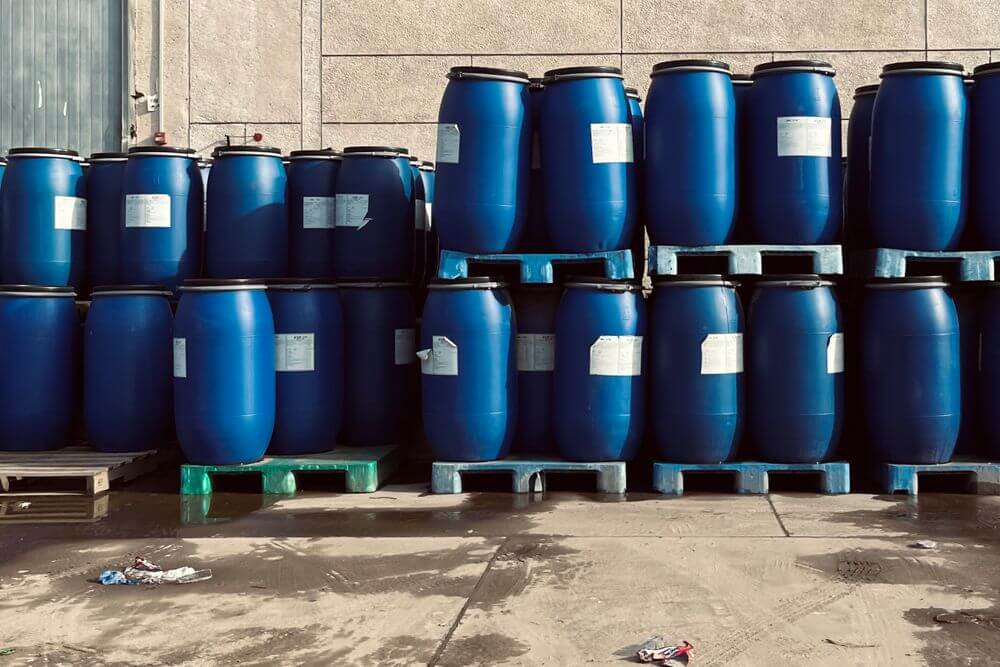
Picture this: you’ve just wrapped up a big industrial project and you’re left with a pile of used plastic drums. What do you do? Throw them away? Keep them stashed in a corner? Nah, those aren’t your best bets. Properly disposing of these drums is not just a smart move—it’s an essential one. The same goes for fiber drum recycling, which helps businesses reduce waste, recover valuable materials, and stay compliant with environmental regulations. Let’s dive into why responsibly saying goodbye to these containers matters and how you can do it seamlessly.
Why Safe Disposal Is a Big Deal
Here’s the thing — those used plastic drums can’t just vanish like magic. Whether you’re dealing with non-hazardous stuff or the riskier, hazardous materials, knowing how to handle these drums is crucial. Ever heard of spills, leaks, or contamination issues? Yeah, we want to steer clear of those. Proper disposal keeps your workplace safe and gives Mother Earth a breather too!
Peek Inside: Know Your Drum’s History
To start, check out what’s inside. Your disposal plan depends heavily on what the drum once held. Think of it like figuring out what was in your lunchbox before you wash it. Was it a harmless lunch or something that’ll stink up your fridge?
- Non-Hazardous Materials: These are the straight shooters, like water or certain types of oils.
- Hazardous Stuff: This includes harmful chemicals requiring extra-special handling.
Knowing this distinction is the first piece of your disposal puzzle.
Empty the Drums Like a Champ
Okay, you’ve got the contents down. Next step? Getting those pesky residues out. You’ve got a few options here — think pouring, pumping, and suctioning.
The Target Residue Level: Aim for less than one inch of liquid or under 3% of the drum’s weight. It’s like scraping every bit of peanut butter from the jar!
A cleaner drum is a safer drum, whether they’re being sent off for recycling or reconditioning.
Washing and Spick-and-Span Cleaning
Now, we’ve got to talk about cleaning. If your drums are being reused or recycled, washing them out is non-negotiable. If they held hazardous stuff, don’t skimp on the triple rinse. We’re talking superhero level clean.
And here’s a tip: don’t let that rinse water just splash down the drain if it’s hazardous. Treat it with the same caution you’d offer your drum contents.
The Importance of Clean Exteriors and Tight Seals
You’ve flipped the drums over and they’re looking spotless from the inside. But what about the outside? No one wants to handle a leaky, sticky drum, right? Make sure those exteriors are squeaky clean. And secure those lids, rings, and bungs — think of it like sealing an envelope. No leaks allowed!
Your Disposal Game Plan: Picking the Perfect Path
Choosing where your drum’s journey ends is like picking a college — it matters. The options lined up include:
- Recycling: A fan favorite for turning old materials into new wonders.
- Drum Reconditioning/Refurbishment: Giving your drum, a fresh lease on life.
- Incineration for Certain Hazardous Wastes: Sometimes, you’ve got to turn up the heat.
- Licensed Landfill/Facility Disposal: When all else fails, but only by the book.
Keep in mind, what path you choose depends on what the drum held.
The Don’ts of Drum Disposal
Let’s straighten out a few myths here. Cutting up or burning drums can lead to dangerous fumes or even explosions — who needs that risk? And dumping drums willy-nilly? That’s no-go territory. You want a disposal method that’s safe, legal, and environmentally friendly.
Reusing and Repurposing Drums: Do It Safely!
Some might think reusing drums for things like food or water storage is a savvy move. But wait! Only do this if the drum’s been cleaned to perfection and certified safe. It’s better than finding out the hard way with a sip of chemical-tainted water.
Kelly Drums: Your Go-To for Industrial Recycling
If all this sounds a bit overwhelming, fear not! Kelly Drums is your knight in shining armor. They’re absolute whizzes at pickup, recycling, and refurbishing not just plastic drums, but also steel, poly, and fiber drums, IBC totes, and even Gaylord boxes. By teaming up with them, you’re making sure your industrial waste is handled in a way that ticks all the regulatory boxes. They’re all about compliance and sustainability — a win-win for you and the planet!
Wrap-Up: Keeping Our Planet Pristine
So there you have it — all you need to embark on your drum disposal adventure! With these steps, you’re not just disposing of waste; you’re setting yourself up as an eco-warrior. Remember, every responsible disposal decision contributes to a cleaner, greener world. Ready to make those drums disappear the right way? You’ve got this!
Handy Checklists to Keep Up Your Sleeve
For those who love tick-boxes, here come the checklists — your new best friends in drum disposal:
- Non-Hazardous Plastic Drums: Quick wash, check any residue, and send them off to the recycling heroes.
- Drums that Held Chemicals: Extra careful cleaning, check for hazardous waste compliance, and keep safety top of mind.
- Industrial 55-gallon Drums: Consider their material, empty them well, and choose your disposal wisely.
The journey from disposal confusion to clarity has never been easier. Now grab those checklists, work through the steps, and pat yourself on the back for each drum disposed of safely and soundly!