



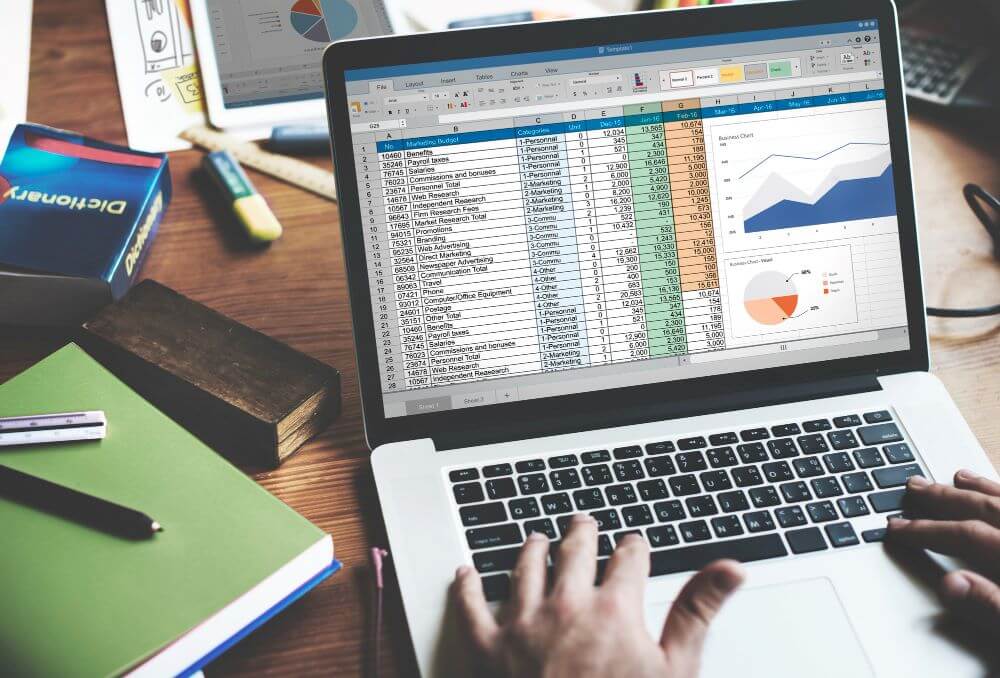
For years, spreadsheets have been the go-to solution for managing deliveries. They are familiar, flexible, and easy to set up. But as parcel volumes increase and operations become more complex, businesses are realizing that spreadsheets are no longer enough.
What once worked for small-scale operations is now creating inefficiencies at scale. This is why many organizations are transitioning to modern parcel management software to handle deliveries with greater accuracy, visibility, and control.
The Limits of Spreadsheets
Spreadsheets were never designed to manage dynamic, high-volume logistics processes. While they can store data, they struggle to keep up with real-time operations.
Common limitations include:
- Manual data entry for every parcel
- Lack of real-time updates
- Difficulty tracking parcel movement
- Limited collaboration across teams
Spreadsheets are static tools in a world that demands real-time operations.
As delivery volumes grow, these limitations become more pronounced.
Manual Processes Create Bottlenecks
Using spreadsheets often means relying on manual workflows. Staff must enter data, update records, and communicate with recipients individually.
This leads to:
- Slower processing times
- Increased risk of human error
- Delays in notifying recipients
- Frequent interruptions for status updates
| Task | Spreadsheet-Based Process | System-Based Process |
| Logging deliveries | Manual entry | Automated scanning |
| Updating status | Manual updates | Real-time tracking |
| Notifications | Separate communication | Automated alerts |
| Data accuracy | Inconsistent | Standardised |
These inefficiencies add up quickly, especially in busy environments.
Lack of Visibility Slows Operations
One of the biggest challenges with spreadsheets is the lack of visibility. Information is often outdated or incomplete, making it difficult to track parcels accurately.
This results in:
- Time wasted searching for items
- Uncertainty about parcel status
- Difficulty identifying bottlenecks
- Limited accountability
“Without visibility, operations become reactive instead of proactive.”
Parcel management systems provide real-time tracking and centralized dashboards, giving teams a clear view of every delivery.
Errors Become Costly
Manual data entry increases the likelihood of mistakes. Incorrect entries, duplicate records, or missing information can lead to misplaced parcels and delayed deliveries.
These errors can cause:
- Lost packages
- Frustrated employees or customers
- Additional time spent resolving issues
- Potential financial losses
Automated systems reduce these risks by standardising data capture and minimising manual input.
Scaling Becomes Difficult
Spreadsheets may work for small operations, but they struggle to scale. As parcel volumes increase, managing data becomes more complex and time-consuming.
Challenges include:
- Managing large datasets
- Maintaining accuracy across multiple users
- Coordinating processes across locations
- Handling peak delivery periods
“What works for ten parcels a day will not work for a hundred.”
Parcel management systems are designed to scale, allowing businesses to handle increasing volumes without losing efficiency.
Automation Changes the Game
One of the main reasons businesses are switching is automation. Parcel management systems streamline workflows and eliminate repetitive tasks.
Key automated features include:
- Barcode scanning for instant data capture
- Automated notifications to recipients
- Real-time tracking of parcel movement
- Digital proof of collection
This automation significantly reduces workload and improves consistency.
Better Data, Better Decisions
Spreadsheets offer limited insights into operations. While they can store data, they do not provide the tools needed to analyse it effectively.
Parcel management systems, on the other hand, generate actionable insights such as:
- Delivery volume trends
- Peak processing times
- Average collection durations
- Operational bottlenecks
For larger operations, integrating with integrated warehouse management systems further enhances data visibility and coordination across logistics processes.
“Data becomes valuable when it is accessible, accurate, and actionable.”
Improved User Experience
Switching from spreadsheets to dedicated systems also improves the experience for employees, tenants, and customers.
Benefits include:
- Faster notifications when parcels arrive
- Clear instructions for collection
- Reduced wait times
- Greater confidence in parcel handling
This reduces frustration and creates a smoother overall process.
Security and Accountability
Spreadsheets offer limited security and tracking capabilities. It can be difficult to determine who handled a parcel or when it was collected.
Parcel management systems provide:
- Time-stamped records for every action
- Digital signatures for collection
- Secure access controls
- Complete audit trails
“Accountability is built into the system, not left to chance.”
These features are essential for maintaining trust and compliance.
Final Thoughts
Spreadsheets have served businesses well for many years, but they are no longer suited to the demands of modern parcel management. As delivery volumes grow and expectations increase, the need for more advanced solutions becomes clear.
“The shift from spreadsheets to systems is not just an upgrade. It is a necessity.”
By adopting parcel management software, businesses can streamline operations, reduce errors, and gain the visibility needed to manage deliveries efficiently at scale.